
March 4, 2026
Ice Fishing Hole Hopper
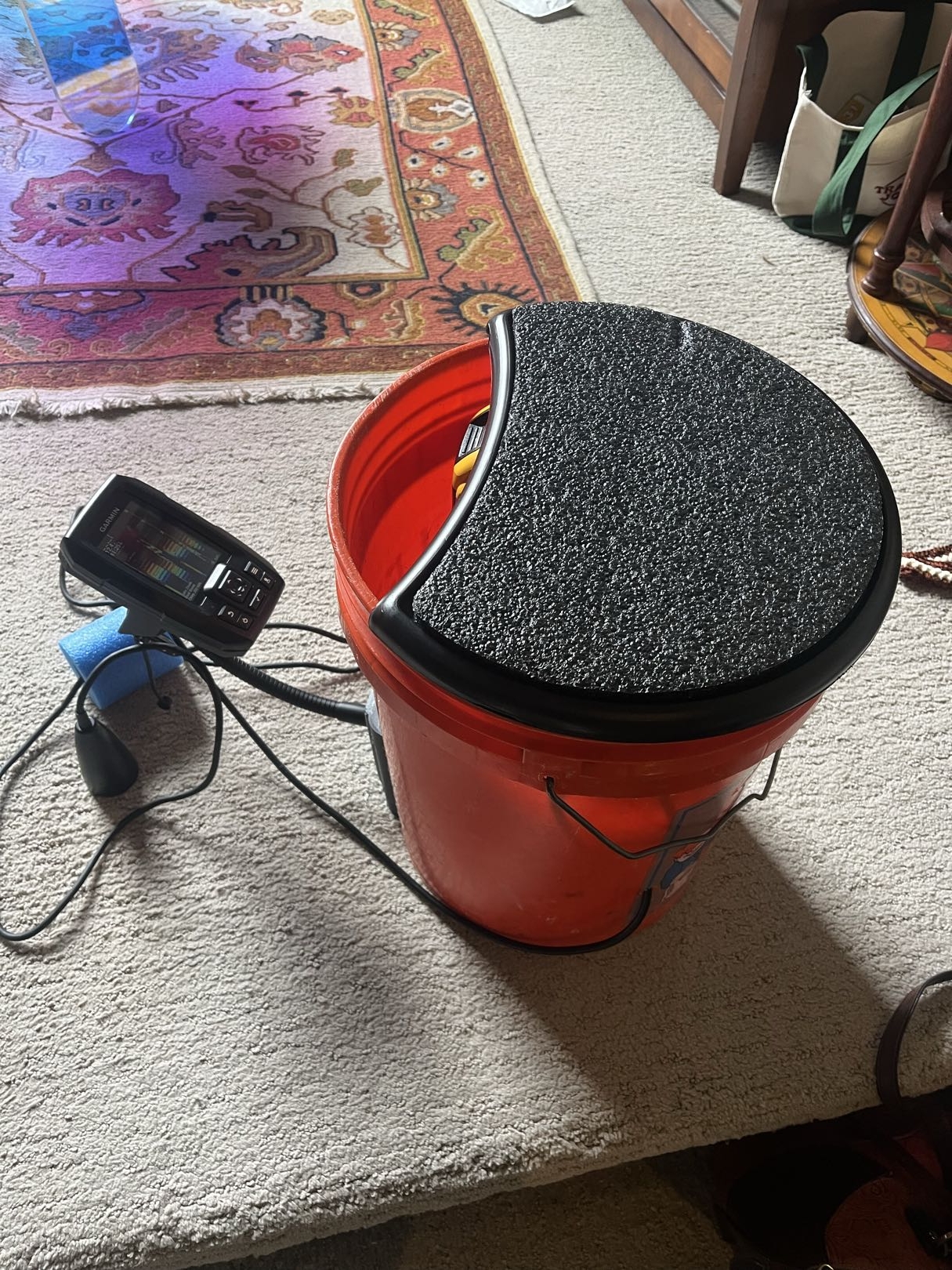
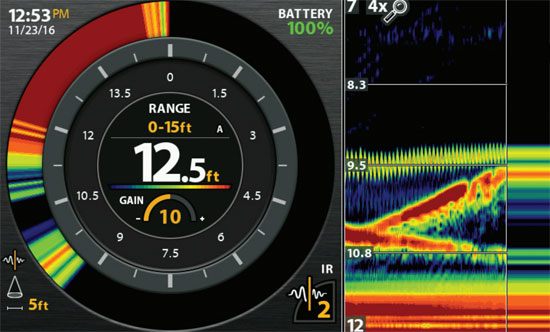
As an avid fisherman in the Midwest, I love ice fishing. For about 3 to 4 months of the year I can get out to spots on lakes I wouldn't be able to get out to without a boat so I try to make the most of that time. To do so many anglers will utilize all sorts of expensive electronics and equipment to locate and catch fish, but I simply don't have the budget to shell out thousands of dollars to do so. Last year I finally started collecting my own gear, and did so as cheap as I could within reason. The phrase "buy once, cry once" has always been true especially when it comes to taxing activities like ice fishing, but there still is room to be thrifty. Facebook marketplace was my friend for all but my fish finder which is arguable one of the biggest upgrades an ice fisherman can acquire. There's plenty of types out there but they all do the same thing: they emit a sound wave through a hole drilled in the ice, through the water, and measures how long it takes to come back and how strong that returning sound wave is. It not only will detect how deep the water is but also if there's anything (like a fish) below you. Then it converts it into a visual representation such as the one below:
On the right you can see the bottom at around 12 ft is solid red, and what is likely a fish at about 9.5 ft in orange/red. With that information the fisherman knows whether there's fish in the spot--so they can move on and find somewhere else to fish--and how deep they need to be fishing. Typically fish finders (aka flashers) are a couple hundred dollars just for the electronics let alone any batteries or cases to transport/protect them with. However, Garmin has a relatively budget model called the Striker 4 that I got on sale for about $80 without any accessories. Being an engineer, I figured with my 3d printer and 3d modeling skills I could make my own solution to transport and protect my new fish finder. Originally, I had bought a standard (heavy) lead acid battery, 3d printed a box that fit it, and screwed the screen with it's original mount straight to it. Fast forward to now, a whole year and another ice fishing season later, I have made probably hundreds of revisions to get a relatively decent system.
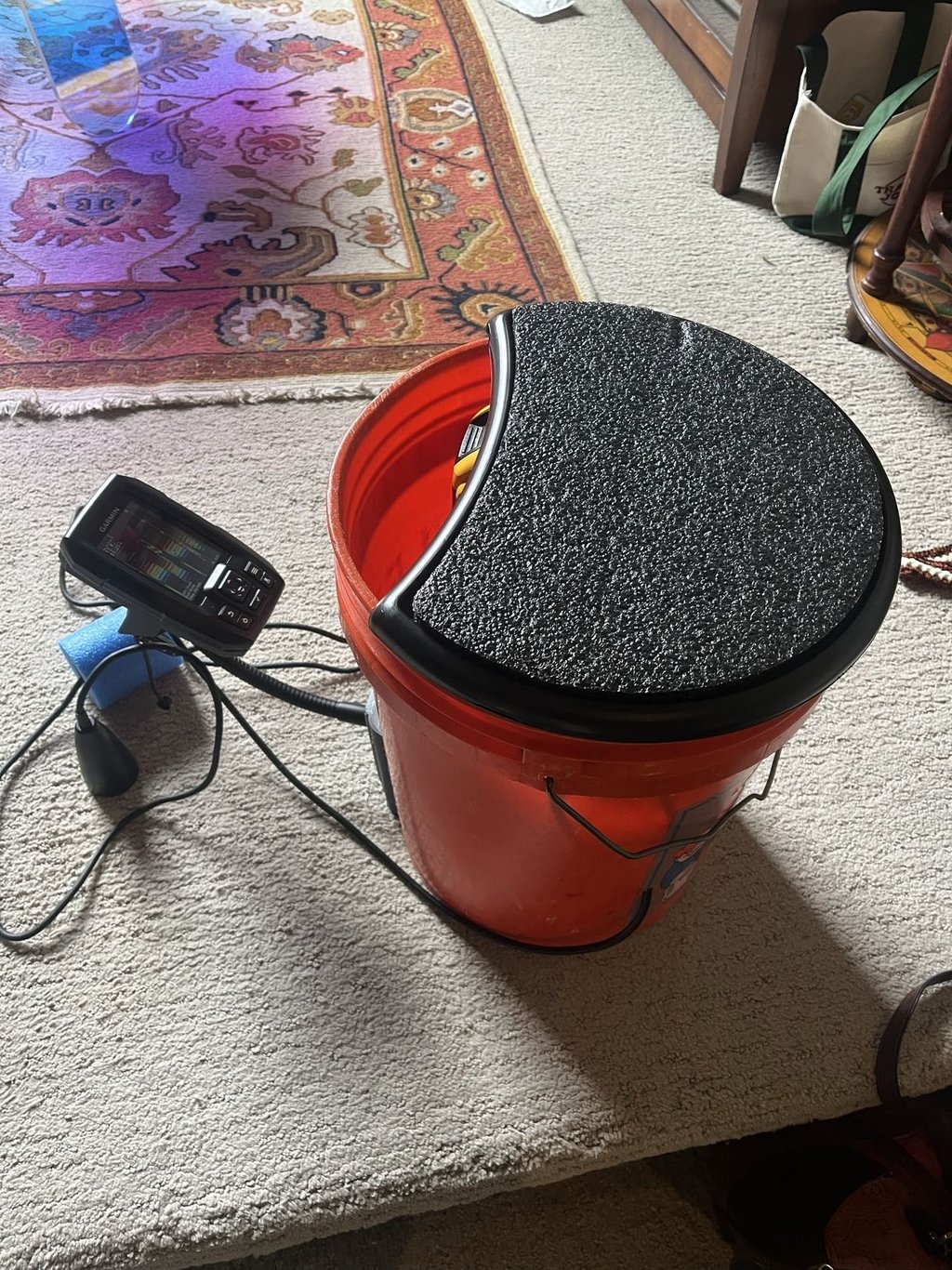
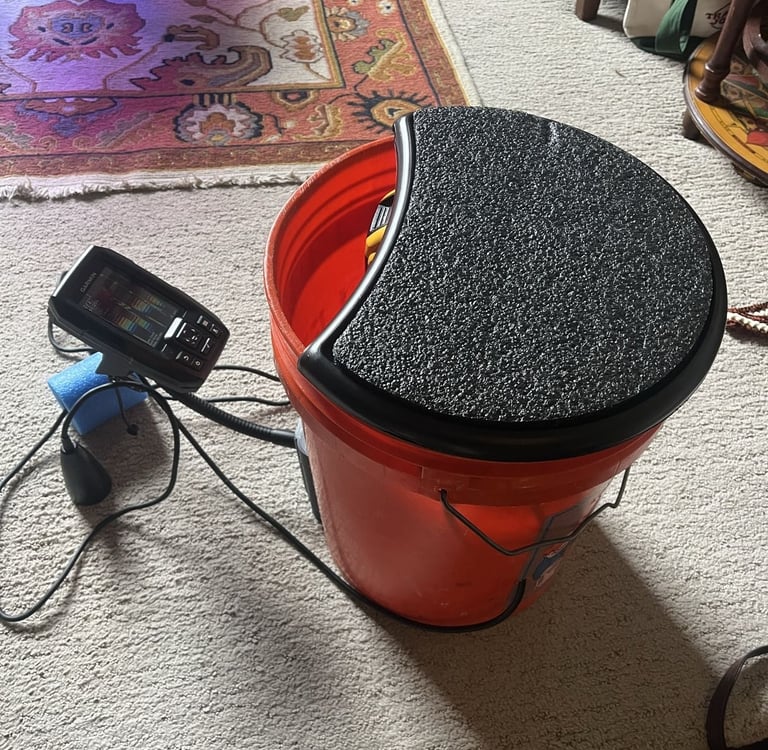
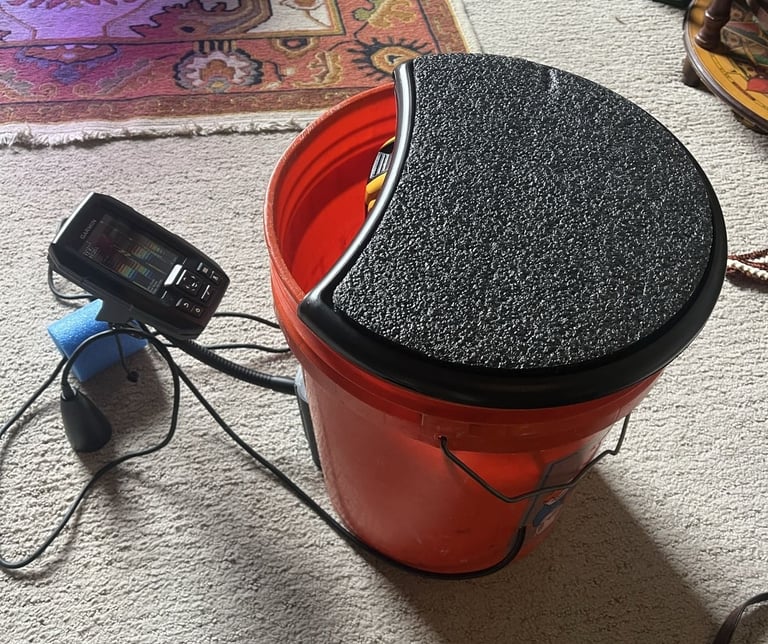
Seen above, is the same image as the header. It shows the self proclaimed "Hole Hopper" system that mounts the fish finder to a 5 gallon bucket. It has a foam seat with all of the required electronics and accessories mounted to the bottom of it.
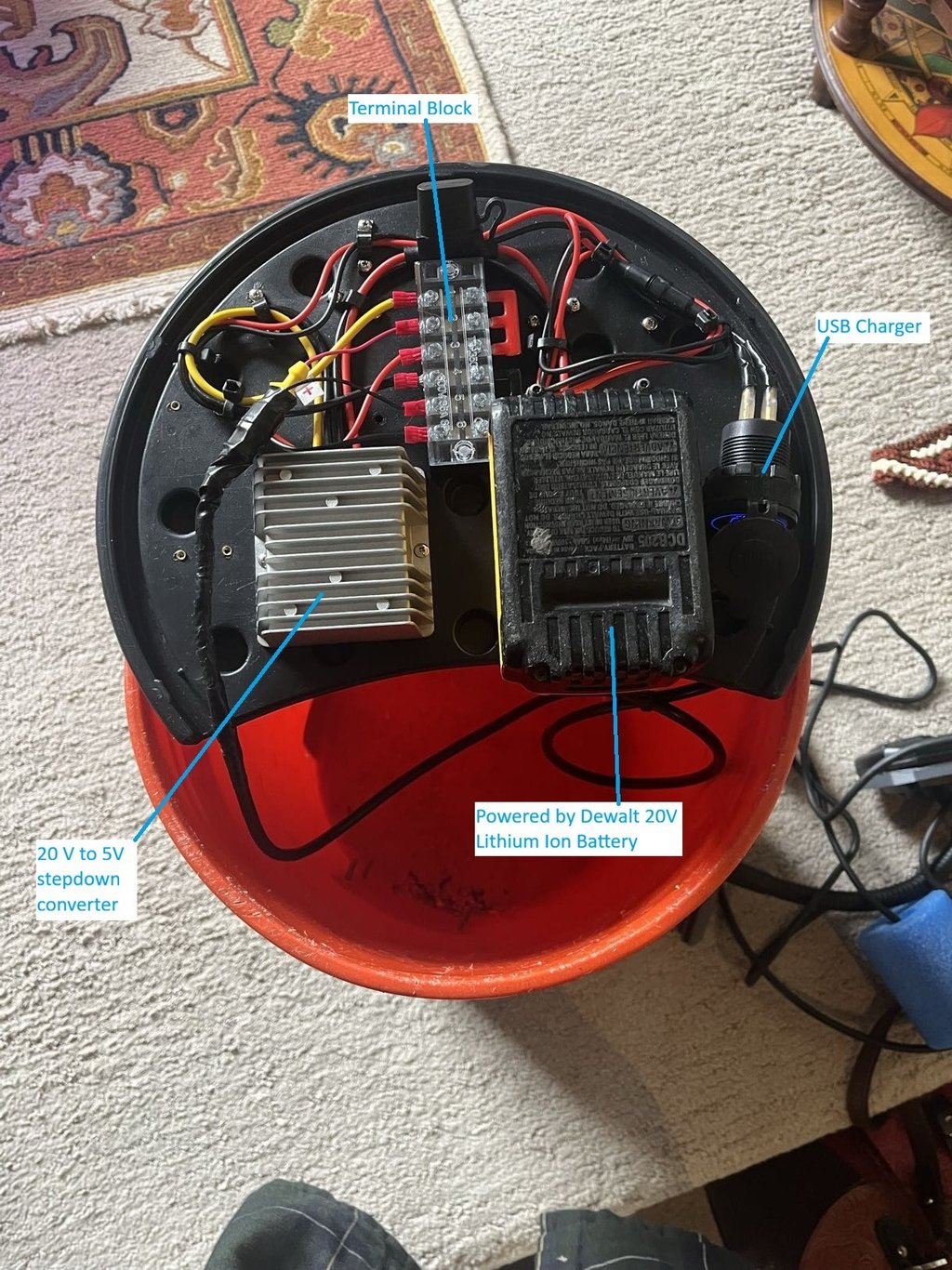
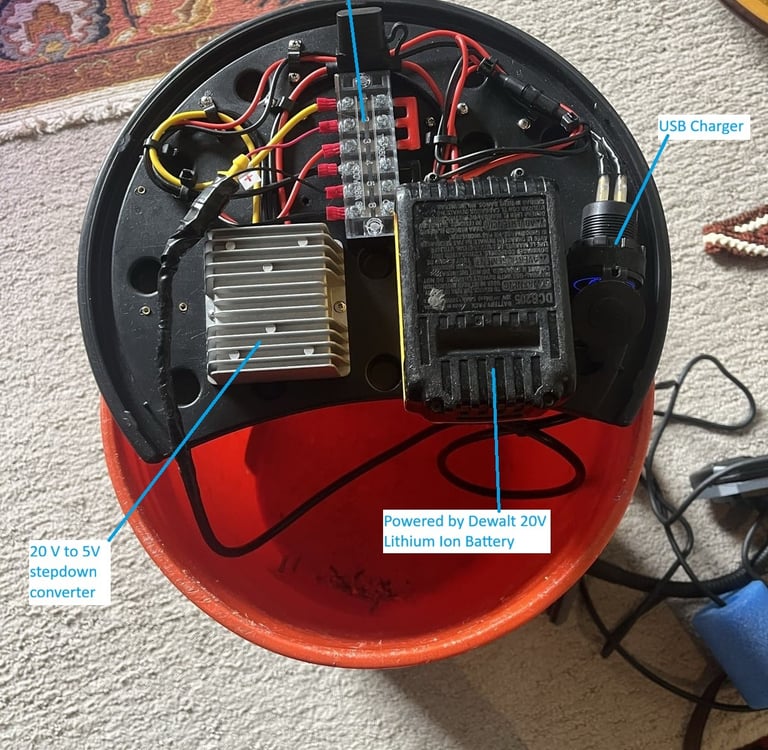
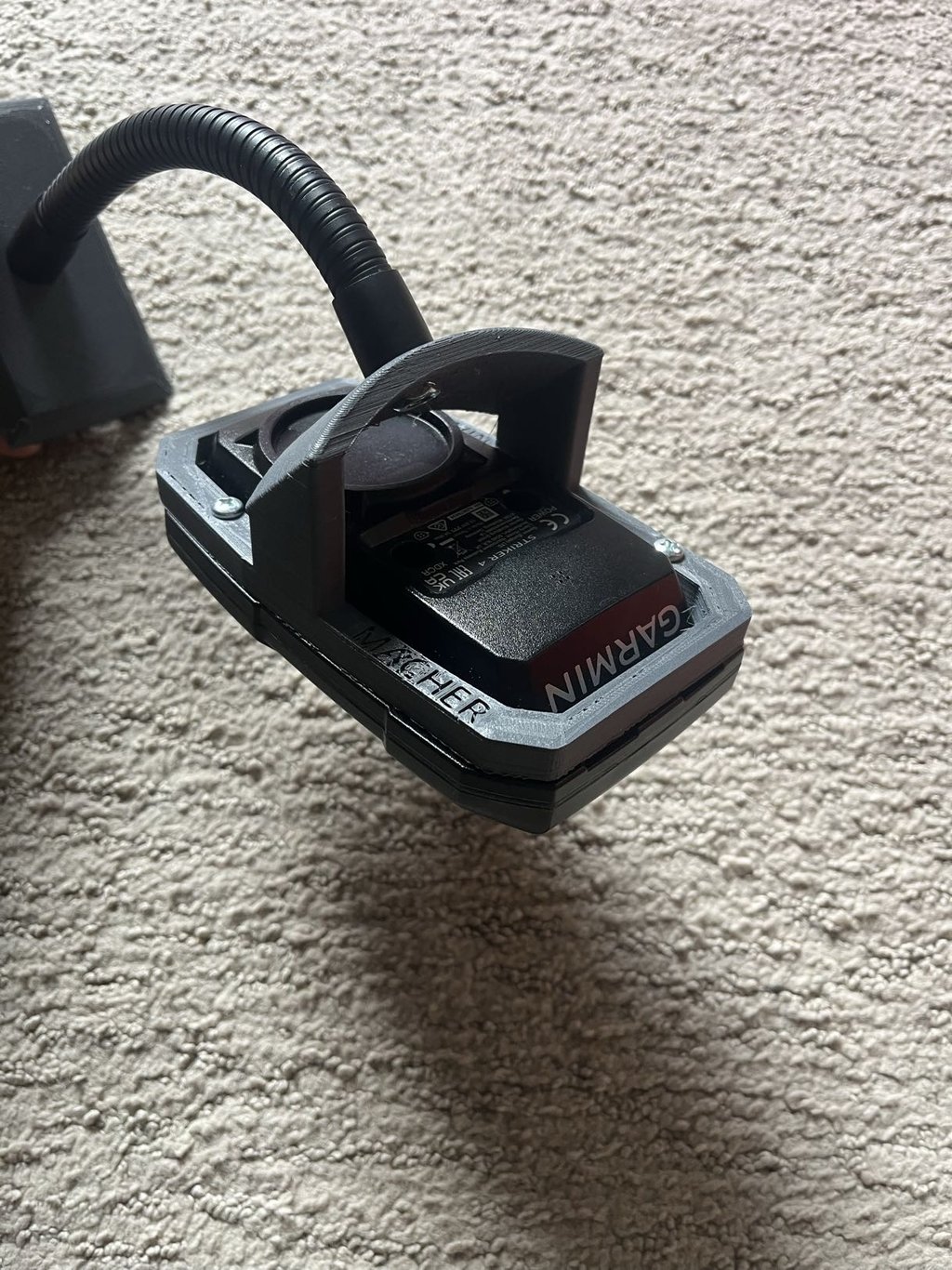
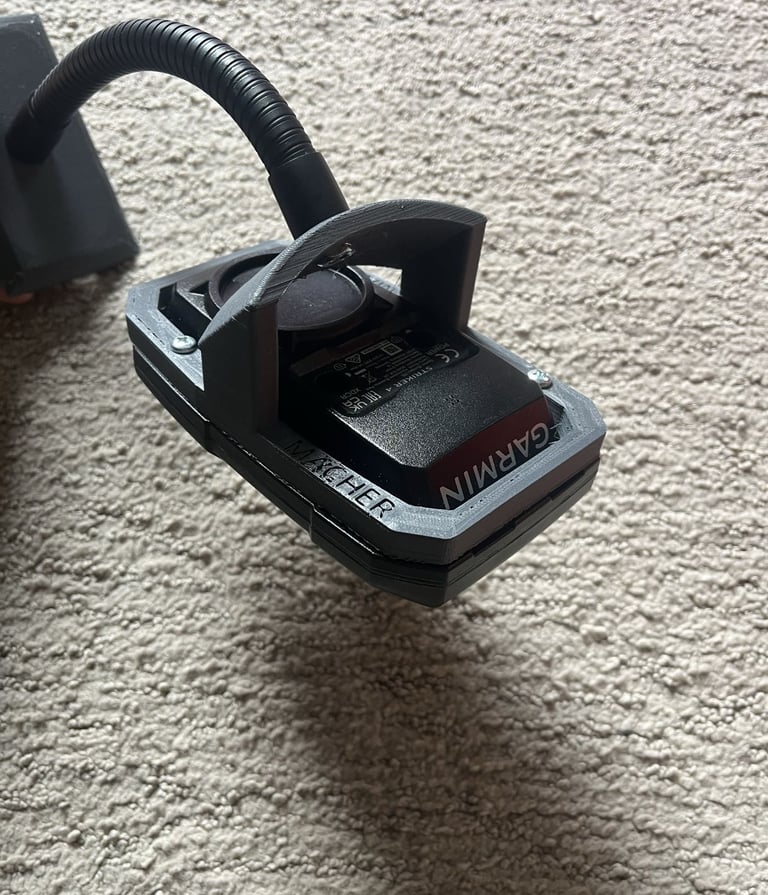
The hardest part of this project, however, was mounting the fish finder screen to the bucket at a viewable angle when sitting on the bucket. After countless reiterations getting the fit just right, I was able to design this mount that screws into the back of the screen's pre-existing threads and connects to a flexible camera arm.
As for attaching this screen subassembly to the bucket, I designed a part that attaches to the other end of the camera arm and slides into a permanent mount on the bucket. With some spring-loaded detents, it snaps into place with ease. See the images below that show how that connects to the bucket.
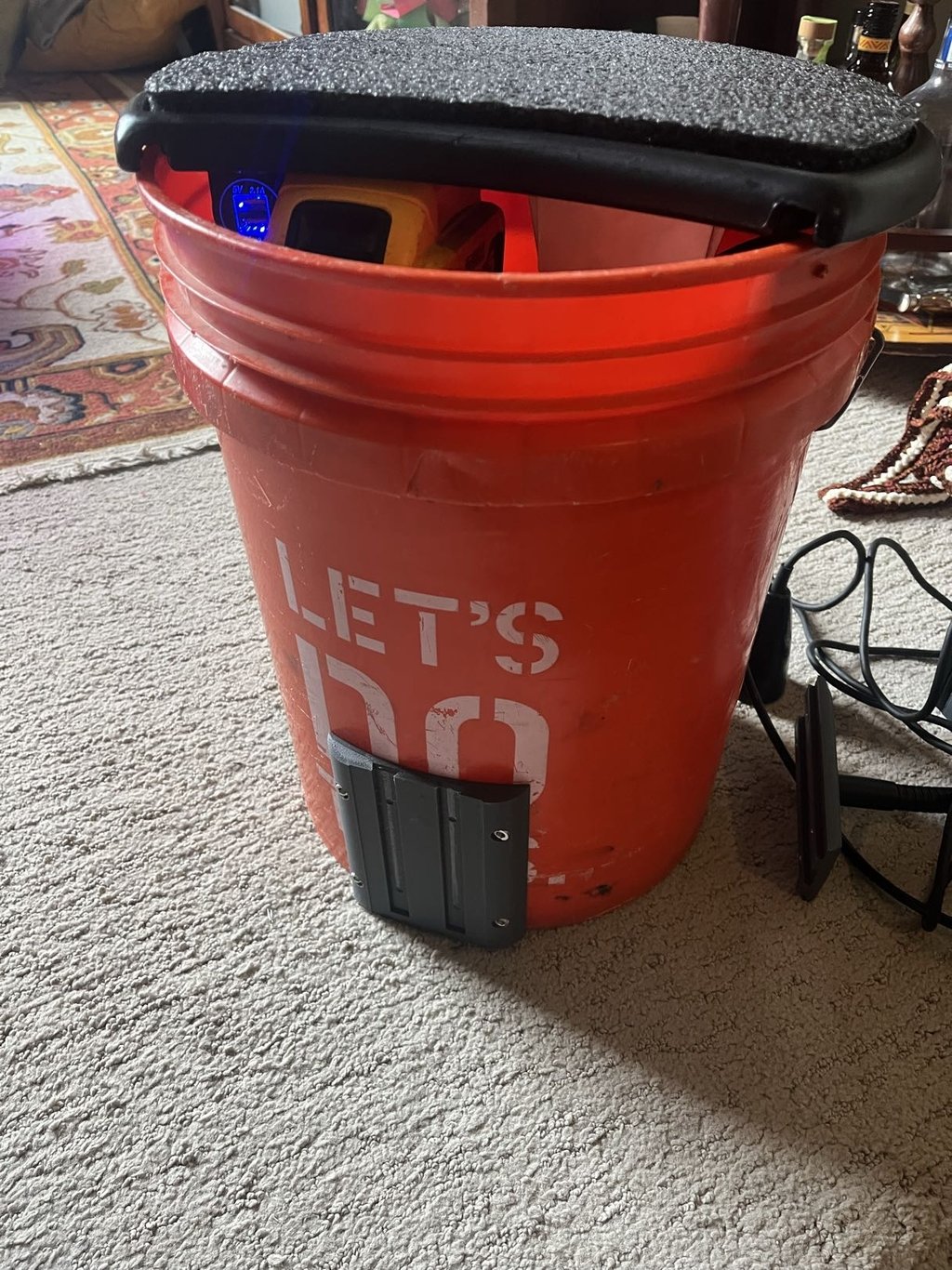
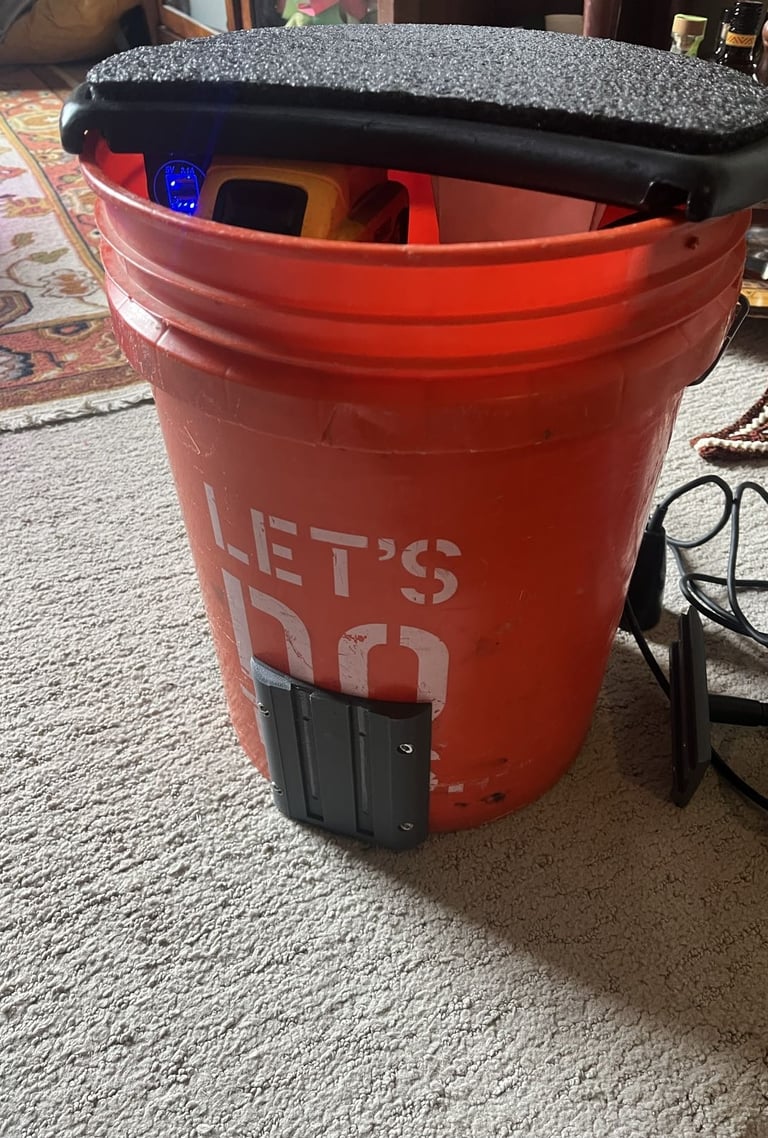
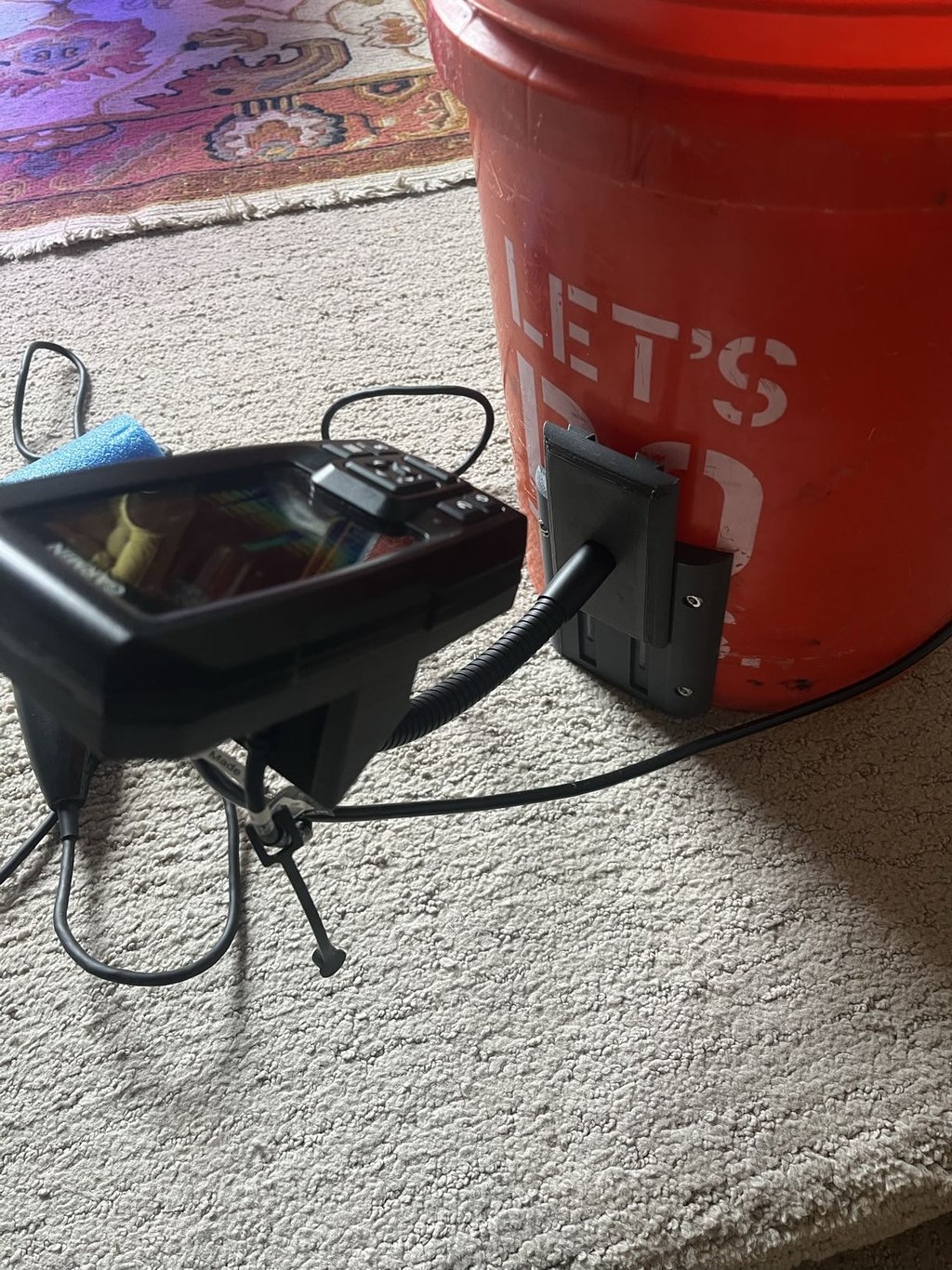
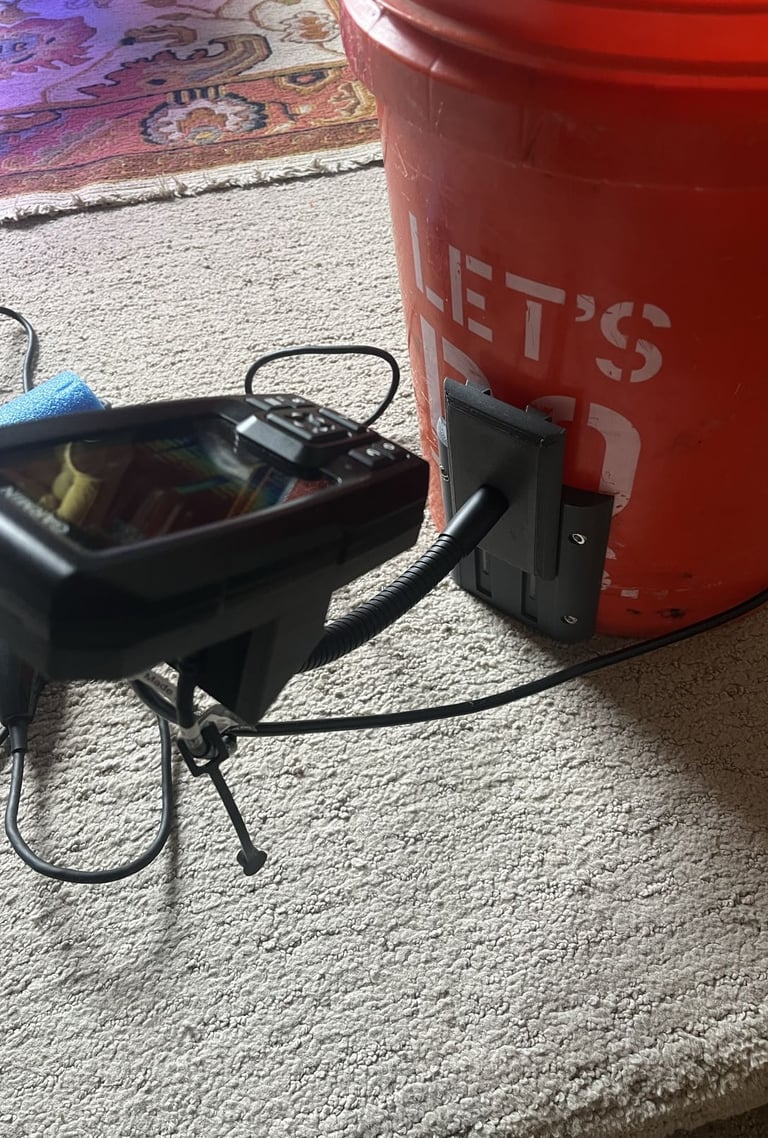
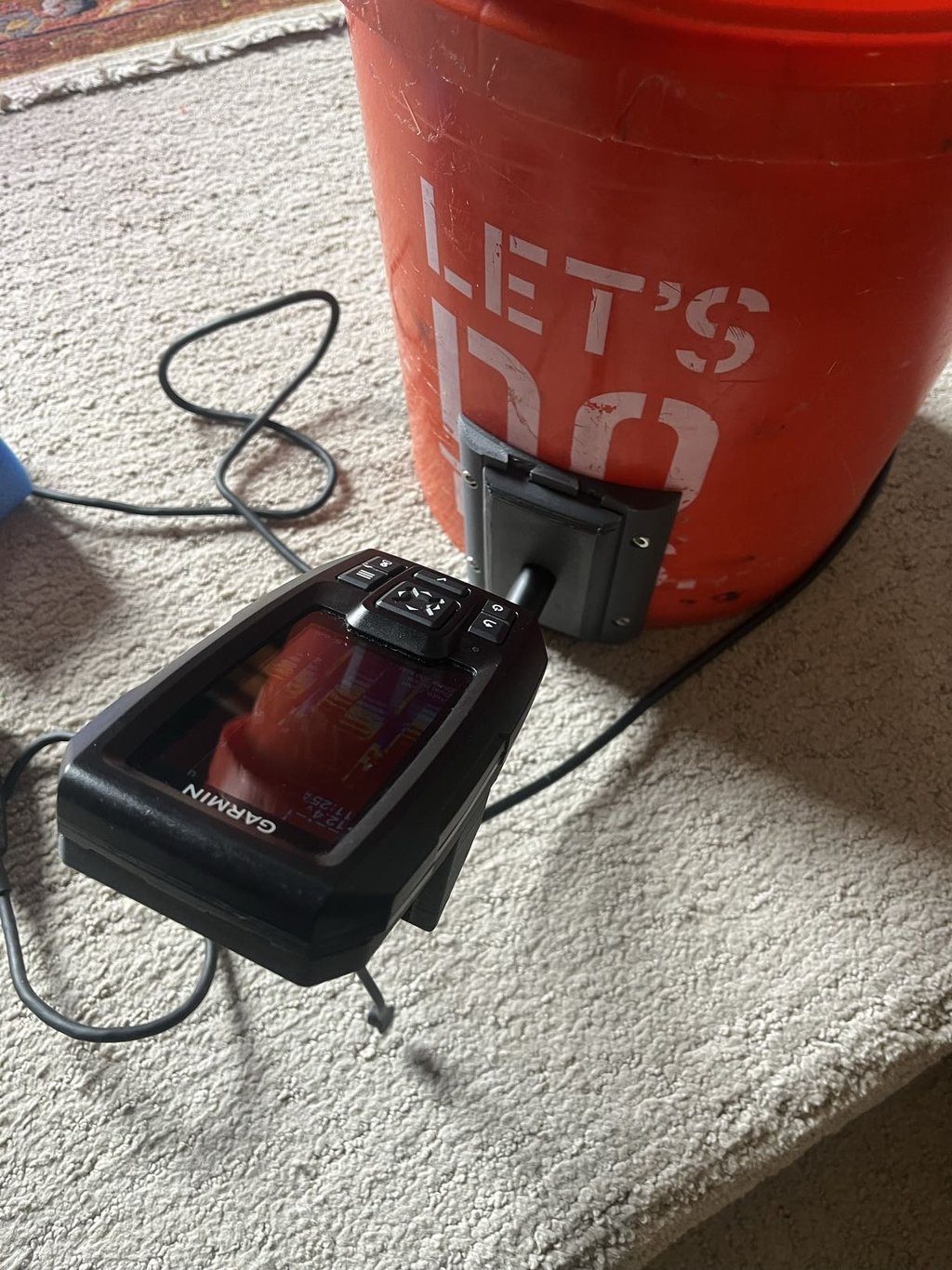
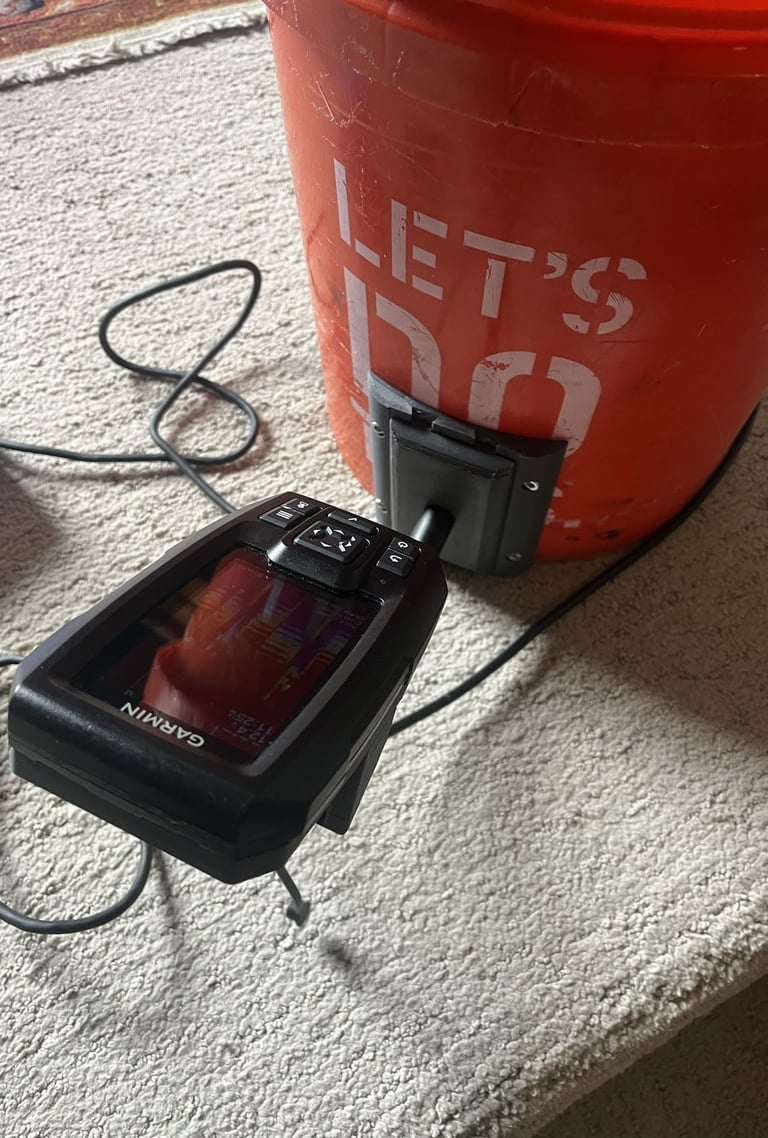
This design allows the screen to be safely stored in the bucket when not in use, and to be easily assembled on the ice. Overall, I've been very pleased with how this system has performed this ice fishing season. It has helped me stay mobile by allowing me to carry just this bucket (with my fishing rods inside) and my drill powered auger from spot to spot to find the fish. Of course there are always things to be improved, but as this season comes to an end I'll have 8 more months to do exactly that.
Thanks for reading!
Ice Fishing Hole Hopper
Over a year in the making. I think I've finally got something decent.